New to crypto? Start here
5 steps, in the order we'd read them. Each guide stands on its own, so skip whatever you already know.
28 guides
Step 1: Understand the basics
What a blockchain is, how bitcoin and Ethereum work, and why stablecoins exist. A few minutes each, no math needed.
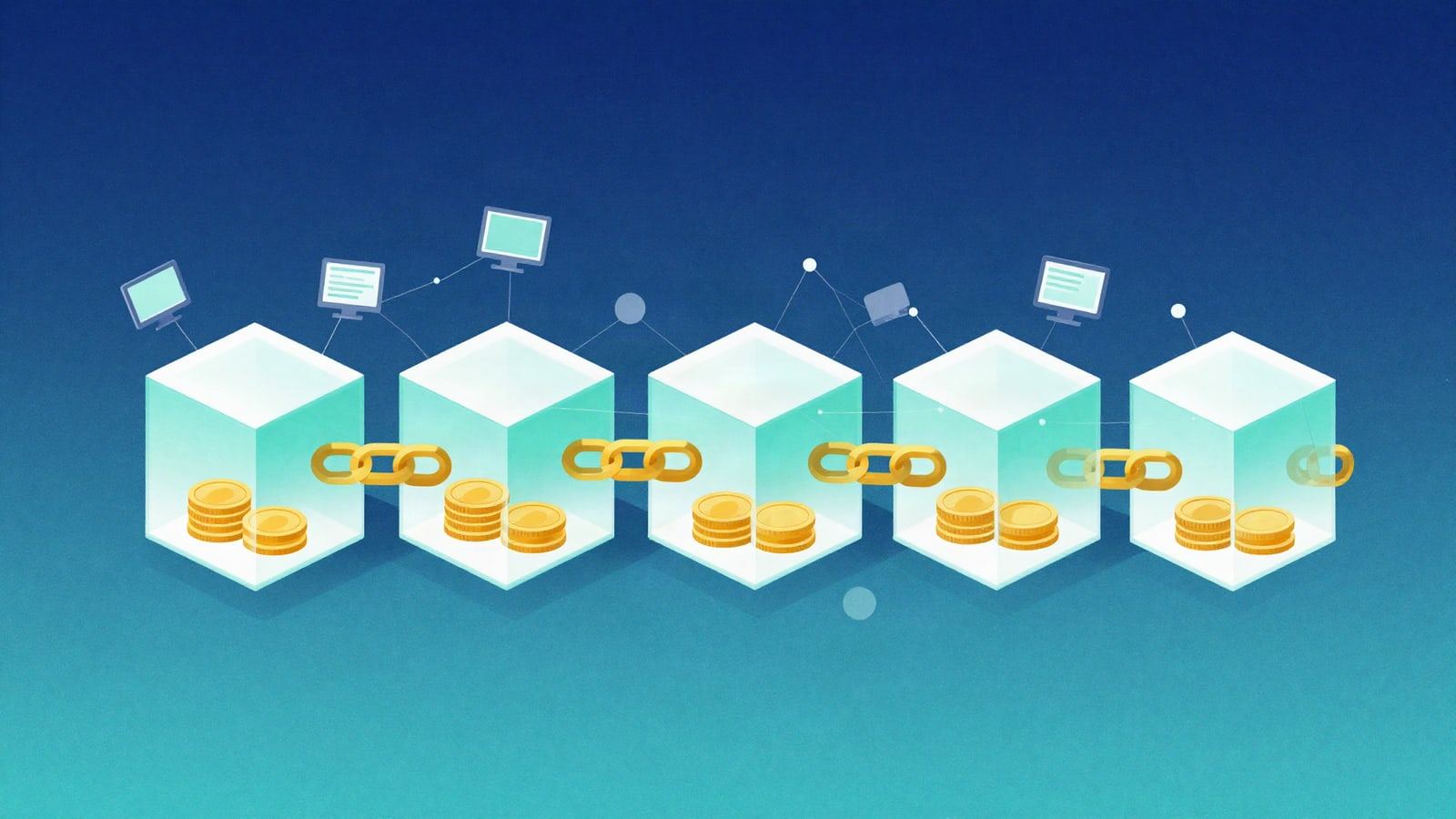
What is bitcoin? How it works, who controls it and how it's regulated

What is Ethereum? ETH, smart contracts and gas, explained simply
Stablecoins explained: how they keep their value, the risks, and the new rules
Is crypto legal? The rules for owning, buying and trading crypto in the US, UK and Canada

Crypto glossary: 57 terms explained in plain English
Step 2: Buy safely
Pick a platform that is registered where you live, understand what you pay in fees and decide how you will buy.
How to buy your first bitcoin safely: a step-by-step checklist
How to choose a crypto exchange: a 9-point checklist before you sign up
How to check if a crypto exchange is registered in the US, UK or Canada
Why your crypto exchange wants your ID: KYC and the travel rule explained
Crypto exchange fees explained: maker, taker, spreads, network and withdrawal fees
Proof of reserves explained: what it shows, and what it can't prove
Dollar-cost averaging in crypto: how it works, with worked examples
Step 3: Keep it safe
Where your crypto actually lives, how to protect the keys and logins, and what protection you do and don't have.
Hot vs cold crypto wallets: which one do you need?
How to store your crypto seed phrase safely (and the mistakes that cost people everything)
How to send crypto safely: addresses, networks, fees and the mistakes you can't undo
SIM swap attacks and 2FA: how to protect your crypto accounts
Token approvals explained: the hidden permission that can empty your wallet, and how to revoke it
Is your crypto insured? FDIC, SIPC, FSCS and CIPF explained
Step 4: Avoid scams
The tricks behind most crypto losses, how to spot them before you send anything, and where to report them.
Crypto scams: the most common types and where to report them in the US, UK and Canada
Pig butchering scams: how the fake-friend crypto investment con works, and how to stop it
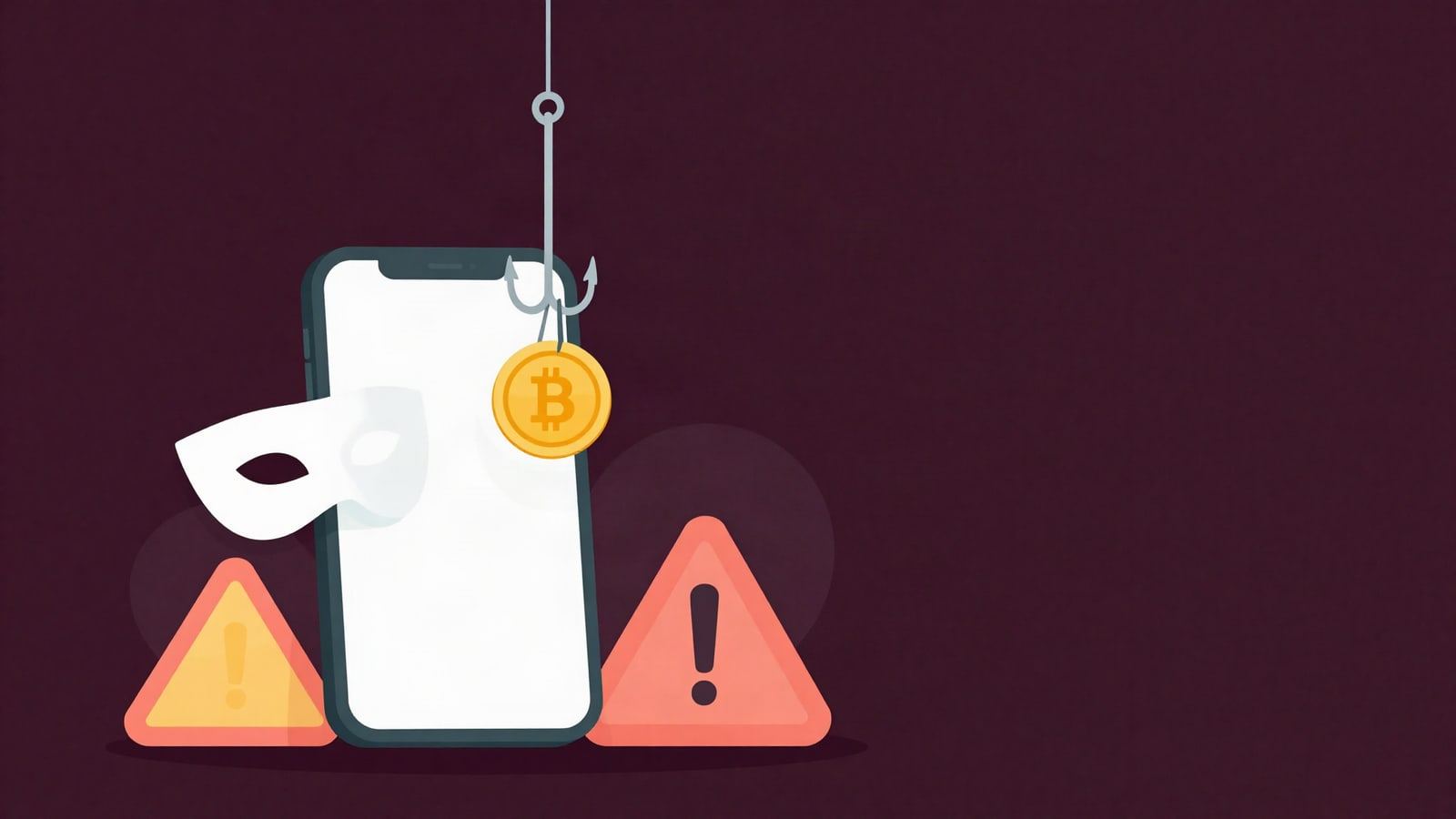
Fake crypto apps and phishing sites: how to spot them before you lose money
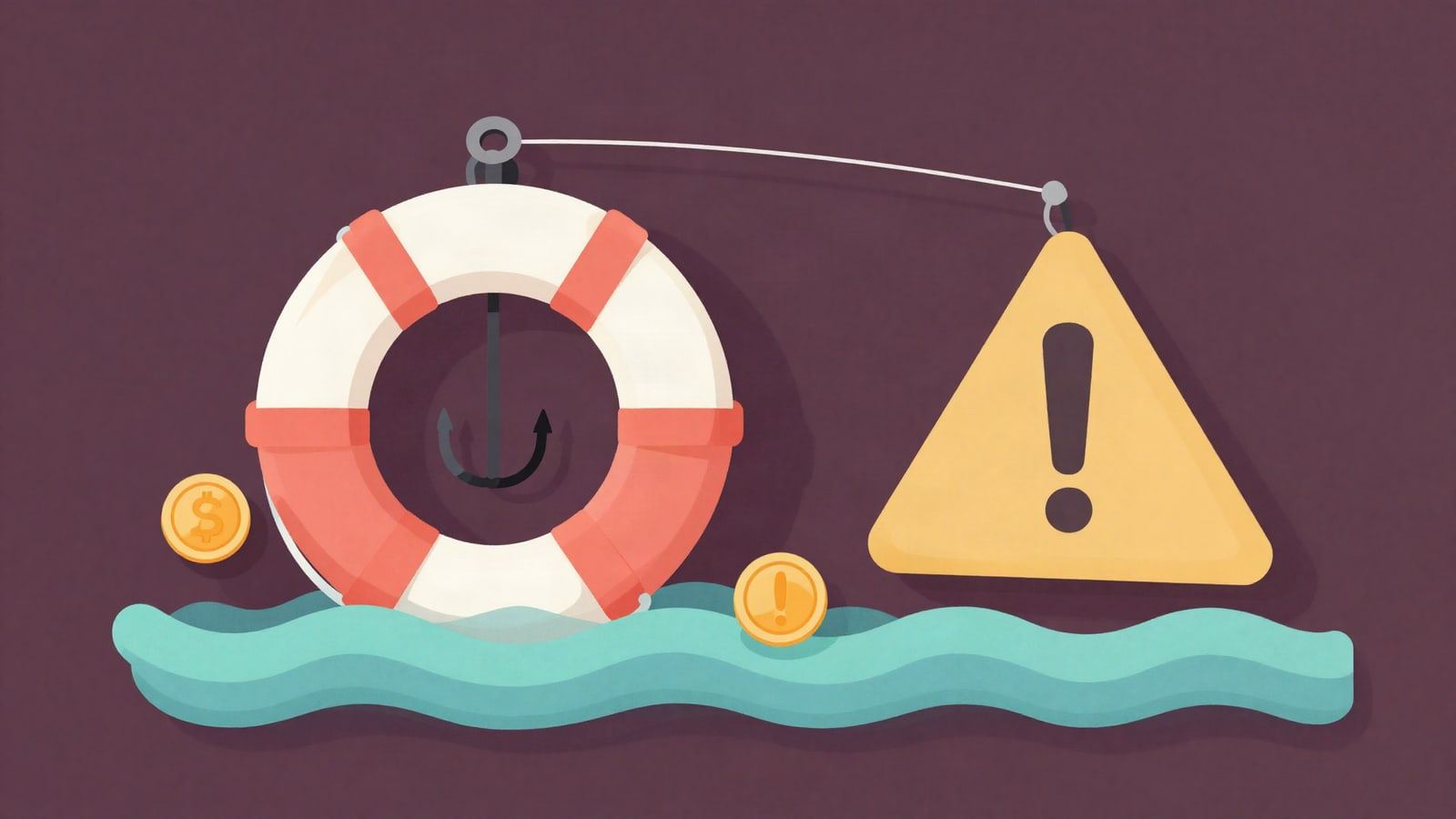
Crypto recovery scams: why people who lost money get targeted again, and how to spot them
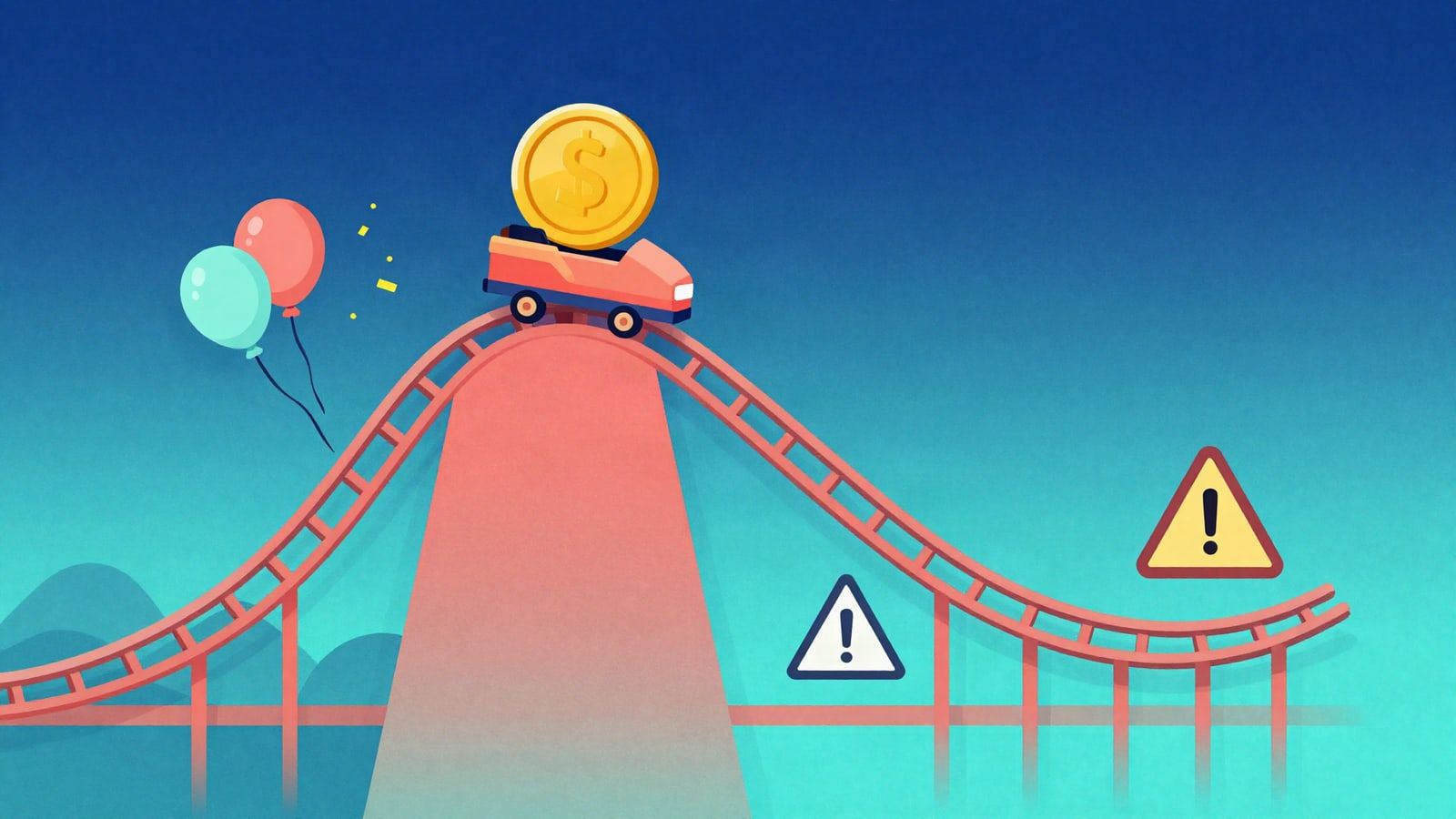
Memecoins explained: what they are, why they're so risky, and what the SEC says
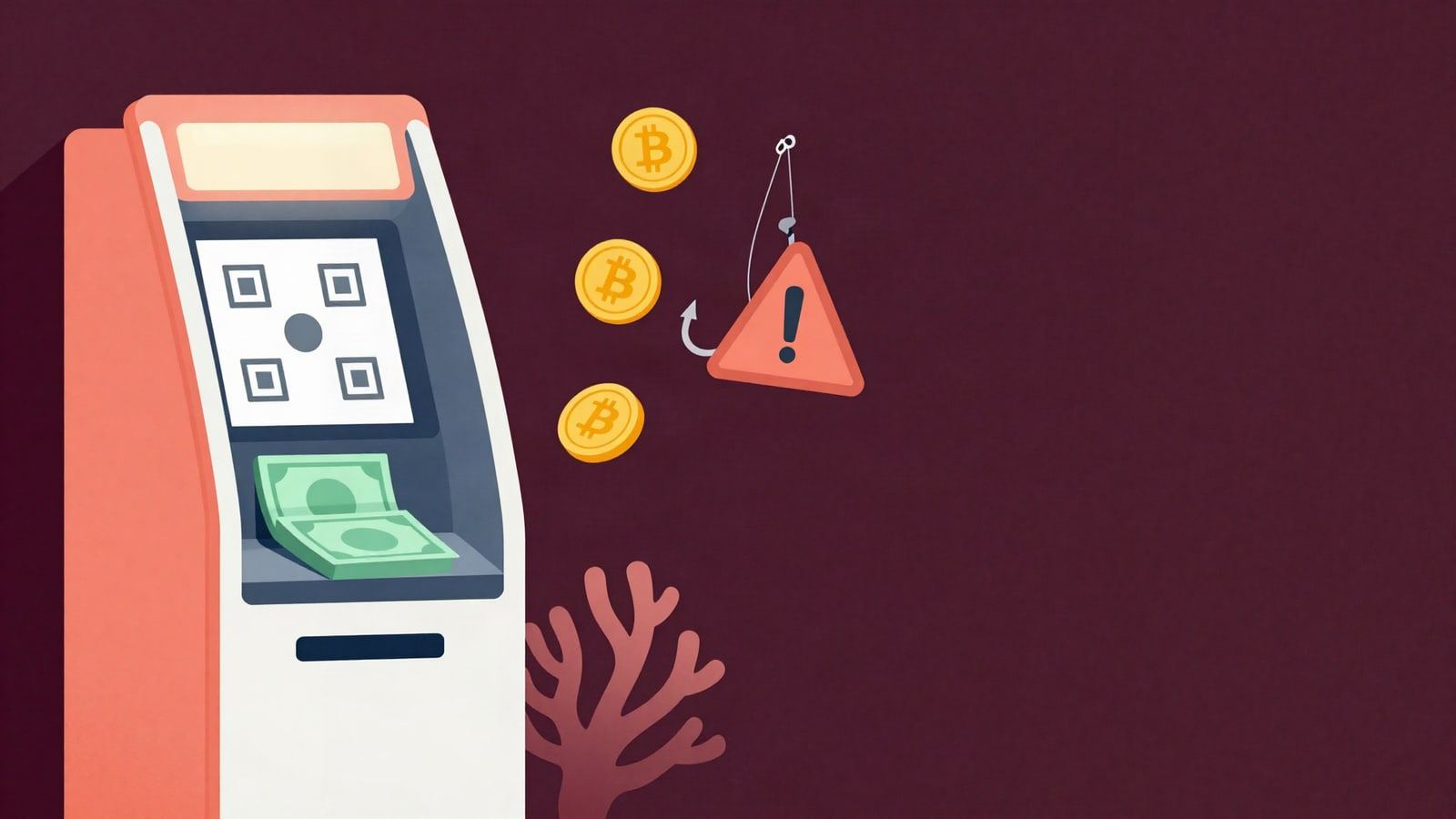
Bitcoin ATMs: how they work, what they cost, and why scammers love them
Step 5: Get your taxes right
Selling, swapping and spending crypto can all be taxable. Start with the guide for the country where you pay tax.
Where to go next
Every guide lists the official sources behind its figures and the date we last checked them. Read how we check our facts, browse the crypto glossary, or search all guides.