What is a testnet? Sepolia, Hoodi, bitcoin's testnet4 and why test coins are worthless
What testnets are, which ones Ethereum and Bitcoin use today, how faucets work, why test coins are supposed to have no value, and the scams that sell them anyway.
Figures checked against 4 official and primary sources on . See the sources · How we check
Key points
- A testnet is a separate public network where developers try out apps and upgrades before using the real network, or mainnet.
- ethereum.org recommends Sepolia for app developers and Hoodi for testing staking and upgrades. Holesky was deprecated in September 2025.
- Bitcoin Core added testnet4 in October 2024, partly because coins on the old testnet3 were being bought and sold.
- Test coins are supposed to have no real value and are free from faucets. Anyone selling them, or 'testnet airdrops', deserves suspicion.
In this guide
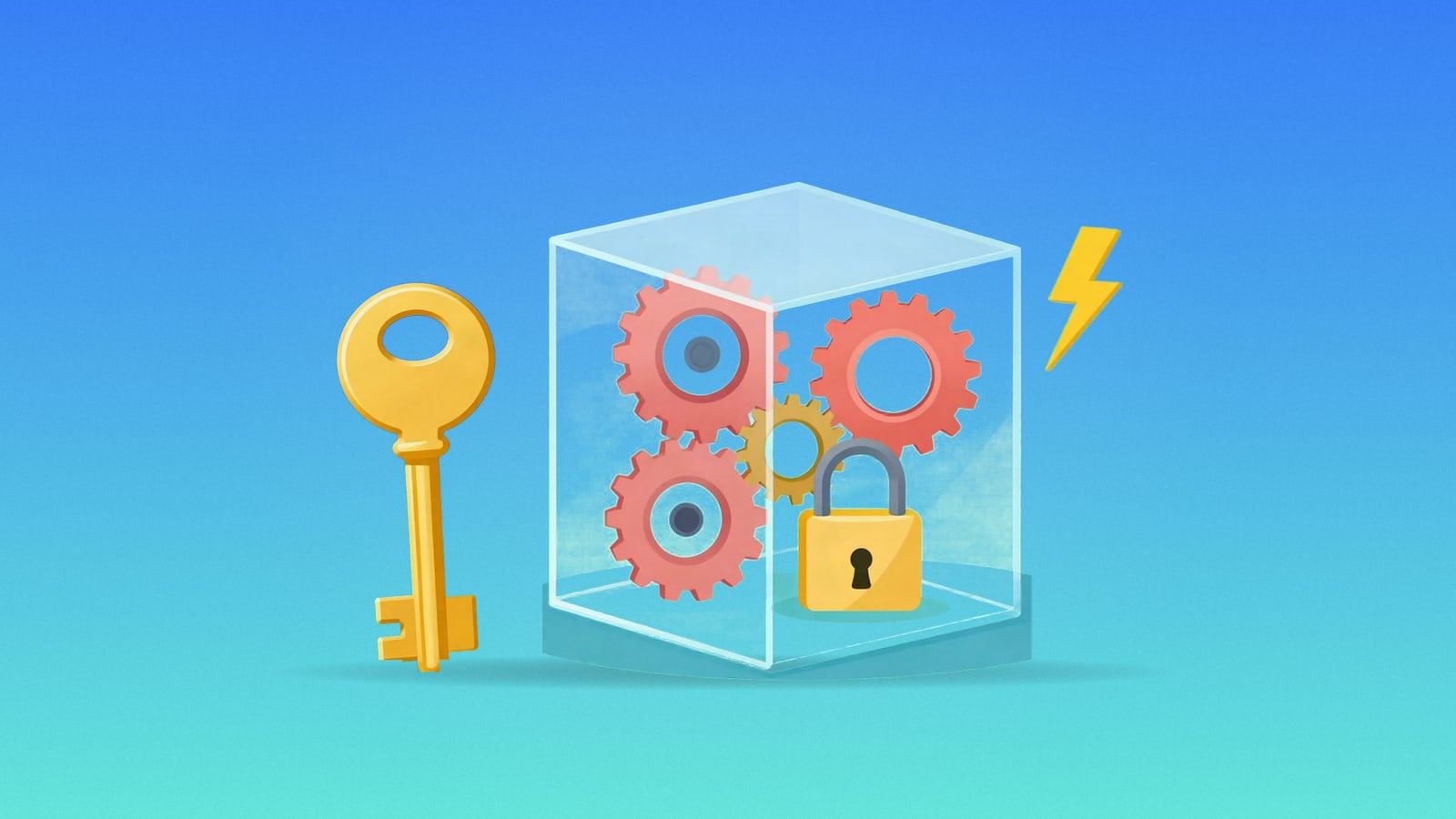
Before a developer launches a smart contract, or before Ethereum or Bitcoin changes its rules, the new code has to be tried somewhere safe. That somewhere is a testnet: a separate network that works like the real one, but where the coins are meant to be worthless.
You don’t need a testnet to use crypto. But knowing what they are helps you understand how upgrades are tested, and protects you from a small but persistent scam: people selling “test” coins. For the basics, see what is a blockchain?
Mainnet and testnets
ethereum.org describes networks as groups of connected computers that communicate using the same protocol, and splits them into:
- Mainnet: the main blockchain, where transactions have real value.
- Testnets: public networks for developers to experiment safely before deploying to mainnet. ethereum.org compares them to staging servers next to a production server.
- Layer 2 testnets: test versions of the networks that extend Ethereum.
Testnets let developers test protocol upgrades and smart contracts in a production-like environment, at low cost and without risking real money.
Ethereum’s testnets today
ethereum.org currently lists:
| Testnet | What it’s for |
|---|---|
| Sepolia | The recommended default for application development. Its validators are a permissioned set run by client and testing teams |
| Hoodi | For protocol developers and stakers. It has an open validator set, so stakers can test network upgrades before they reach mainnet |
| Holesky | Deprecated as of September 2025 |
Ethereum upgrades are tried on testnets before they reach mainnet: Hoodi exists partly so stakers can test them. See Ethereum upgrades: Pectra, Fusaka and what’s next.
Bitcoin’s test networks
Bitcoin has had a public testnet for many years. Bitcoin’s developer documentation explains that for development it’s safer and cheaper to use the test network, where the satoshis spent have no real-world value.
In October 2024, Bitcoin Core 28.0 added support for testnet4, defined in BIP 94, and said the intention was to phase out support for the old testnet3 in a later version. BIP 94 explains why a new network was needed:
- a quirk in testnet3 regularly reset the difficulty to its minimum, causing block storms, with years’ worth of blocks mined in weeks;
- the block reward had fallen so low that test coins were hard to obtain by mining;
- testnet3 was being used for scammy airdrops, and its coins were being bought and sold, which broke the basic idea that test coins have no value.
Testnet4 keeps a rule that allows easy blocks after 20 minutes without one, but fixes the difficulty problem and blocks a timestamp trick that could amplify block storms.
Developers can also run Bitcoin in regtest mode: a private chain on their own computer where, as the developer documentation puts it, you choose when to create new blocks.
Testnet, mainnet and regtest at a glance
| Mainnet | Public testnet | Bitcoin regtest | |
|---|---|---|---|
| Who runs it | Everyone on the network | Developers and testers worldwide | Just you, on your computer |
| Coins | Real value | Supposed to have no value | No value |
| How you get coins | Buy or earn them | Free from faucets | You create blocks yourself |
| Used for | Real payments and apps | Testing apps and upgrades in realistic conditions | Fast, private testing |
Why it matters even if you never use one
Testnets are part of how blockchains change safely. For Ethereum, ethereum.org explains that Hoodi gives stakers a place to test network upgrades before they’re deployed to mainnet, while Sepolia gives app developers a stable place to try smart contracts. For Bitcoin, the move from testnet3 to testnet4 shows developers fixing their own testing tools when they stop working well.
When you read that an upgrade has “gone live on testnet”, it means it’s being rehearsed with worthless coins before it touches real money.
Faucets: how people get test coins
Test coins are handed out free by faucets. ethereum.org describes them as web apps where you enter an address and request test ETH to be sent to it.
Because test coins are free, there’s no legitimate reason to buy them.
Why test coins should be worthless
ethereum.org says testnet ETH is supposed to have no real value, and Bitcoin’s documentation says the same about testnet satoshis. That’s the whole point: developers can make mistakes without losing money.
When test coins become scarce, some people start selling them, and that’s when problems begin. BIP 94 itself records that testnet3 coins were being actively bought and sold.
Scams to watch for
- Selling test coins. Someone offers testnet ETH or BTC at a “discount”. Even if you receive something, it isn’t real money.
- Fake “testnet airdrops”. BIP 94 records that testnet3 was used for scammy airdrops. More generally, sites that ask you to connect a real wallet to “claim” free tokens are a classic way to drain it. See crypto airdrops explained and token approvals and how to revoke them.
- Mixing up networks. A wallet set to a testnet may show a large balance. It isn’t real money, so treat anyone who pressures you to “convert” or “unlock” it as a red flag.
For the curious: trying a testnet safely
If you want to see how transactions work without risk:
- Use a separate wallet or account for testing, never the one holding real funds.
- Switch the wallet to Sepolia (Ethereum) or a Bitcoin test network.
- Get free coins from a faucet.
- Send a test transaction and look it up on a testnet block explorer. See how to use a block explorer.
It’s a good way to learn how fees, confirmations and addresses work before you handle real money. See how to send crypto safely.
Frequently asked questions
Is testnet ETH worth anything?
Can I send testnet coins to my real wallet?
Which Ethereum testnet should I use?
What's the difference between testnet and regtest?
Why did bitcoin need a new testnet?
Sources
- Networks — ethereum.org
- BIP 94: Testnet 4 — Bitcoin.org
- Bitcoin Core 28.0 release notes (2 October 2024) — Bitcoin Core
- Testing applications — Bitcoin developer documentation (developer.bitcoin.org)
First published . Spotted an error or an outdated figure? Tell us and we will check it against the source.