Is crypto anonymous? How private bitcoin and Ethereum really are
Why bitcoin and Ethereum are public and traceable rather than anonymous, how addresses get linked to people, habits that protect privacy, and Ethereum's plans.
Figures checked against 3 official and primary sources on . See the sources · How we check
Key points
- Bitcoin.org calls bitcoin probably the most transparent payment network in the world: every transaction is public, traceable and permanent.
- Addresses don't show names, but once an address is linked to you, for example by an exchange that knows your identity, its whole history can be linked too.
- Basic habits help: use a new address for each payment, don't post addresses publicly, and be aware that your IP address can leak.
- ethereum.org says privacy on Ethereum is moving from an optional add-on to a network-level default, with work underway, but timelines are targets, not guarantees.
In this guide
A common belief is that crypto is anonymous: that you can send bitcoin without anyone knowing who you are. The official documentation for bitcoin says almost the opposite. Public blockchains are transparent by design, and privacy depends heavily on how you use them.
This guide explains why bitcoin and Ethereum aren’t anonymous, how activity gets linked to real people, the habits that help, and what Ethereum is planning. For the basics, see what is a blockchain?
Transparent by design
Bitcoin.org puts it bluntly: bitcoin is often perceived as an anonymous payment network, but in reality it’s probably the most transparent payment network in the world. It explains that:
- all bitcoin transactions are public, traceable and permanently stored in the network;
- anyone can see the balance and all transactions of any address.
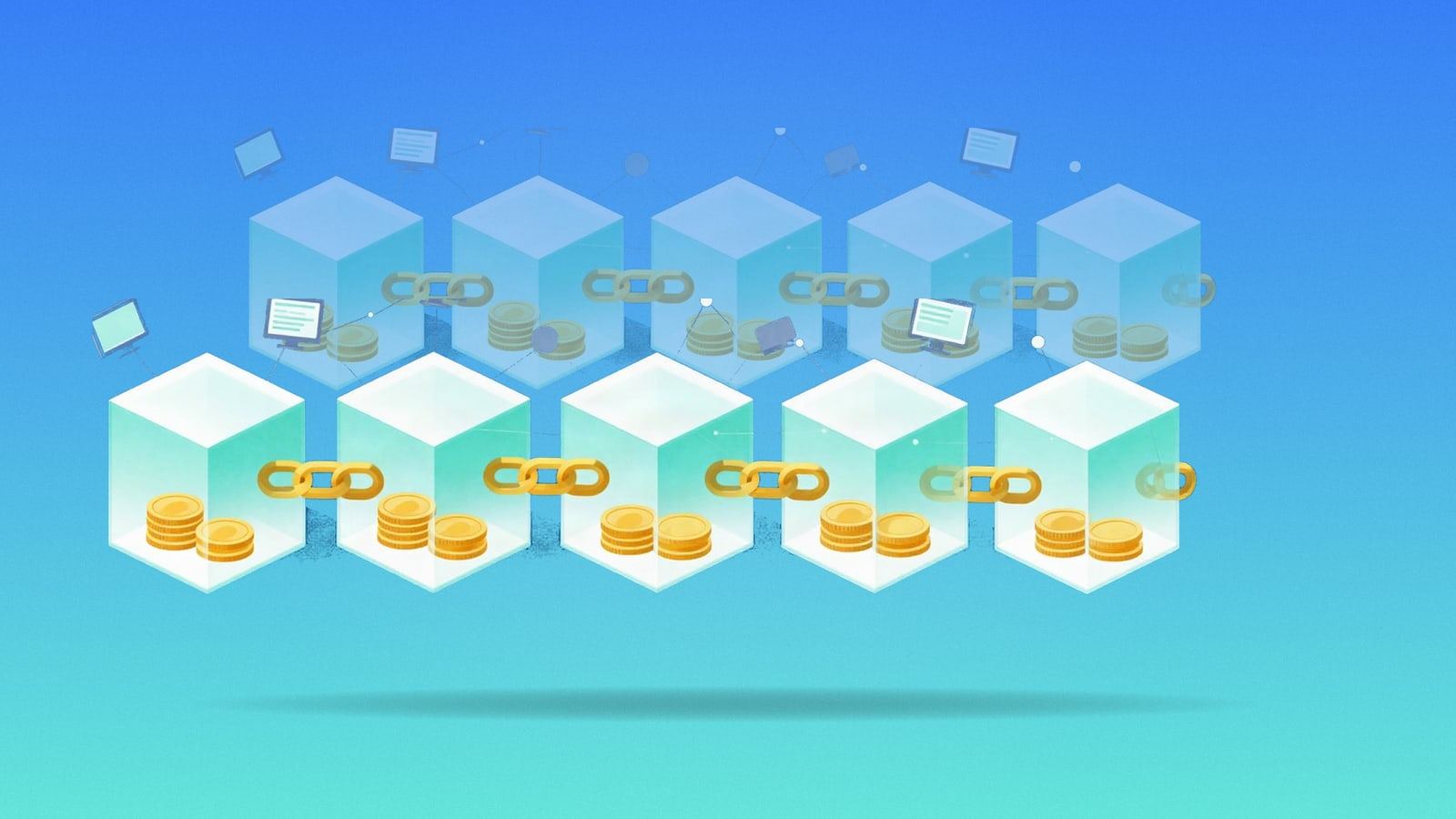
That transparency isn’t a flaw. It’s how a public blockchain lets everyone check the ledger without trusting a central record-keeper. See what is a blockchain node? and how to use a block explorer.
Pseudonymous, not anonymous
Addresses don’t contain names, which is why people describe bitcoin as pseudonymous: activity is tied to addresses rather than identities. The original bitcoin white paper already recognized the limits. It says privacy comes from keeping public keys anonymous, suggests a new key pair for each transaction, and warns that if a key’s owner is revealed, other transactions may be linked to them. See the bitcoin white paper explained.
The weak point is the link between an address and a person. Bitcoin.org explains that once addresses are used, they become tainted by the history of all the transactions they’re involved in. If one address is connected to you, everything connected to that address can be connected to you too.
How addresses get linked to people
- Exchanges and apps. Platforms that let you buy crypto with money usually verify your identity under anti-money-laundering rules. When you withdraw to your own wallet, that address is linked to your account. See KYC and the travel rule.
- Publishing an address. Bitcoin.org warns that posting a bitcoin address on a website or social network isn’t a good idea for privacy.
- Paying merchants. A shop that knows your name and delivery address learns which address paid.
- Your internet connection. Bitcoin.org notes that it’s possible to listen for transactions as they’re relayed and log IP addresses, and suggests hiding your IP with a tool such as Tor.
- Tax reporting. Many tax authorities now receive data from crypto platforms. See CARF and crypto tax reporting and Form 1099-DA explained.
Habits that protect your privacy
Bitcoin.org’s advice, in short:
- Use a new address for each payment you receive, so each transaction stays separate.
- Don’t publish your addresses on websites or social networks.
- Be aware that services which know your identity can see the addresses you use with them.
- Consider your IP address: Bitcoin.org suggests hiding it with a tool such as Tor.
- Remember that it’s your responsibility to adopt good practices.
These habits reduce what a casual observer can learn. They don’t make you anonymous to an exchange or a tax authority, and they aren’t meant to.
Try it: what your own address reveals
A simple exercise shows how public a blockchain is:
- Copy one of your receiving addresses from your wallet.
- Paste it into a block explorer for the right network.
- Look at what appears: the balance, every incoming and outgoing transaction, the amounts, the dates, and the other addresses involved.
Anyone can do the same with any address they know, including one you’ve shared with them to get paid. That’s the practical meaning of Bitcoin.org’s warning that anyone can see the balance and all transactions of any address. It’s also why sharing a fresh address for each payment, rather than one address for everything, keeps more of your financial life to yourself.
Ethereum’s account model
Ethereum is organized around accounts, each with a public address under which its balance, tokens and activity are recorded. If you use one account for everything, anyone who learns its address can see all of that on a block explorer. See what is Ethereum?
Where Ethereum is heading
ethereum.org’s roadmap says privacy on Ethereum is moving from an optional add-on to a network-level default. It describes the goal as letting people and institutions transact globally without unapproved data harvesting, surveillance or centralized censorship.
The tools it discusses include:
- zero-knowledge proofs, which let you prove something is true without revealing the underlying data;
- private information retrieval, so you can look things up without revealing what you asked for;
- fully homomorphic encryption, for computing on encrypted data;
- proposals for shielded pools for ETH and token transfers.
ethereum.org says these upgrades are in active development and being considered for the Hegotá upgrade, and adds that timelines are targets, not guarantees. See Ethereum upgrades: Pectra, Fusaka and what’s next.
Privacy and the law
Wanting privacy is normal: most people wouldn’t want strangers to see their bank balance. But some tools sold as “privacy” carry serious legal risk. The US Treasury has sanctioned certain mixers, saying North Korea’s Lazarus Group used them to launder stolen crypto, and dealing with a sanctioned address can break the law. See crypto mixers and sanctions.
The bottom line
| Belief | Reality |
|---|---|
| “Crypto is anonymous” | Transactions are public and permanent; addresses can be linked to people |
| “No one can see my balance” | Anyone with your address can |
| “A new wallet makes me untraceable” | Funding it from an exchange links it to your identity |
| “Privacy tools are always fine” | Some, like sanctioned mixers, carry legal risk |
Treat your addresses like account numbers: share them only when you need to, and assume anything on a public blockchain stays public.
Frequently asked questions
Is bitcoin anonymous?
Can someone see my balance if they know my address?
Does using an exchange affect my privacy?
Are mixers a way to get privacy?
Will Ethereum become private?
Sources
- Protect your privacy — Bitcoin.org
- Privacy (roadmap) — ethereum.org
- Bitcoin: A Peer-to-Peer Electronic Cash System (white paper) — Bitcoin.org
First published . Spotted an error or an outdated figure? Tell us and we will check it against the source.