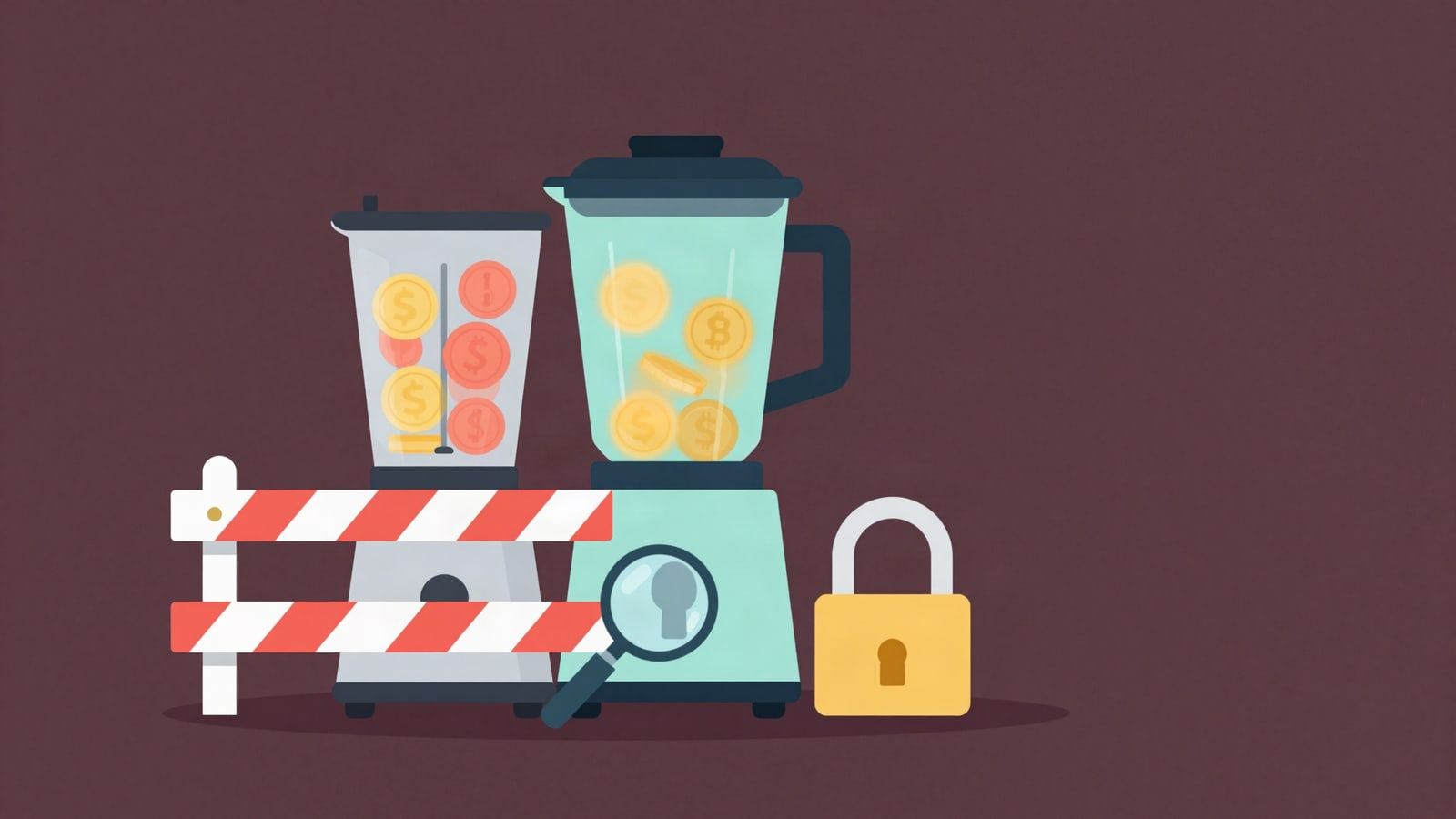
Crypto lending and "earn" accounts: where the interest comes from, and what Celsius and BlockFi taught us
How crypto interest and "earn" accounts work, what went wrong at Celsius and BlockFi, the rules in the US, UK and Canada, and what to ask before lending.
Figures checked against 8 official and primary sources on . See the sources · How we check
Key points
- Crypto "earn" or interest accounts usually work by lending your crypto to others. The interest depends on those borrowers, and on the platform, paying it back.
- Celsius promised it was safer than a bank and offered up to 18% a year. It froze accounts in June 2022 and went bankrupt a month later.
- BlockFi paid $100 million in penalties in 2022, in what the SEC called the first case of its kind for crypto lending platforms.
- In Canada, platforms that sign the CSA's undertakings commit not to lend out or reuse clients' crypto. In the UK, lending and borrowing come under FCA rules from 25 October 2027.
In this guide
“Earn 8% on your crypto.” Offers like this look like a savings account with a better rate. Before 2022, many people moved their crypto into such products. Then several of the biggest platforms collapsed, and customers discovered what they had really signed up for.
This guide explains where crypto interest comes from, what went wrong at Celsius and BlockFi, how the rules now differ in the US, the UK and Canada, and what to check before you lend.
Where the interest comes from
A bank pays interest on deposits because it lends that money out, under strict rules, and many deposits are covered by deposit insurance. Crypto “earn” products often follow a similar idea, without the same protections:
- Lending: the platform lends your crypto to other customers, institutions or traders, and passes part of the interest back to you.
- Investing: the platform puts your crypto to work in other strategies, sometimes risky ones.
- Staking: for proof-of-stake coins, the platform may stake them and share the rewards. This is different from lending, but you still depend on the platform. See what is crypto staking?
The key point: the interest only exists if the borrowers and the platform pay it back. When they can’t, the “safe” yield disappears, and so can your crypto.
Case study: Celsius
According to the Federal Trade Commission, Celsius told consumers it was safer than banks, that deposits could be withdrawn at any time, that it had sufficient reserves to meet customer obligations and that it held a $750 million insurance policy. It offered returns as high as 18% a year.
In June 2022, Celsius froze customer accounts, and in July 2022 it filed for bankruptcy. In July 2023, the FTC announced a settlement that permanently bans Celsius from handling consumers’ assets, with a $4.7 billion judgment suspended so that remaining assets could go back to consumers through the bankruptcy. The FTC also charged three former executives with deceiving consumers. It said consumers lost access to their life savings, college funds and money saved for retirement.
Case study: BlockFi
On 14 February 2022, the SEC charged BlockFi over its retail crypto lending product, BlockFi Interest Accounts. Through them, investors lent crypto to BlockFi in exchange for a variable monthly interest payment. The SEC found that:
- BlockFi had not registered the offers and sales of the product.
- It had operated as an unregistered investment company for more than 18 months, holding loans of crypto to institutional borrowers among its assets.
- It made a false and misleading statement on its website for more than two years about the level of risk in its loan portfolio and lending activity.
BlockFi agreed to pay a $50 million penalty to the SEC and another $50 million to 32 states. The SEC called it the first case of its kind with respect to crypto lending platforms.
Case study: Gemini Earn and Genesis
In January 2023, the SEC charged Genesis Global Capital and Gemini Trust Company over the Gemini Earn program. According to the SEC’s complaint:
- From February 2021, Gemini customers, including retail investors, could lend their crypto to Genesis in return for a promise of interest, with Gemini acting as agent and deducting a fee, sometimes as high as 4.29% of the returns.
- Genesis decided how to use the investors’ crypto to generate revenue.
- In November 2022, after market turmoil, Genesis said it would not allow withdrawals, because it lacked enough liquid assets. At that point it held about $900 million of assets from 340,000 Gemini Earn investors.
In March 2024, Genesis agreed to pay a $21 million penalty. Under the settlement, the SEC won’t receive any of it until all other allowed claims in Genesis’s bankruptcy, including those of Gemini Earn investors, have been paid.
One pattern, several platforms
| Platform | What customers were told | What happened |
|---|---|---|
| Celsius | Safer than banks; withdraw at any time (FTC) | Froze accounts in June 2022; bankruptcy in July 2022 |
| BlockFi | Interest accounts; the SEC found a misleading statement about risk | $100 million in penalties to the SEC and 32 states (2022) |
| Gemini Earn / Genesis | Interest on crypto lent to Genesis | Withdrawals halted in November 2022 |
| Voyager | “YOUR USD IS FDIC INSURED” (FTC) | Bankruptcy in July 2022; consumers lost more than $1 billion in crypto |
The common thread: customers handed control of their crypto to a company and depended on it to give it back. At Celsius, Genesis and Voyager, withdrawals stopped when markets turned. See what happens if an exchange goes bust.
The rules today
United States
There’s no deposit insurance for crypto: the FDIC says it doesn’t protect against the failure of crypto exchanges, custodians or wallet providers. The Celsius and BlockFi cases show regulators acting after the fact. Before lending, read exactly what rights you keep over your crypto, and what happens if the platform fails. See is your crypto insured?
Canada
After a series of platform failures, the Canadian Securities Administrators strengthened the undertakings that crypto trading platforms must give while they seek registration. Under CSA Staff Notice 21-332 (22 February 2023), platforms commit to:
- Hold clients’ crypto in trust, separate from their own assets.
- Not pledge, re-hypothecate or otherwise use crypto held on behalf of Canadian clients.
- Not offer margin, credit or other forms of leverage to any type of client for trading on the platform.
In practice, a platform that follows these commitments can’t lend out your crypto to pay you interest. Check that the platform you use is registered or has signed an undertaking: see how to check if an exchange is registered.
United Kingdom
Crypto lending and borrowing will be regulated under the FCA’s new cryptoasset regime, which comes into force on 25 October 2027. In its June 2026 policy statement, the FCA said it is keeping core retail protections, including enhanced disclosures, consent, appropriateness testing, record-keeping, and safeguards such as over-collateralisation and negative balance protection. Until then, check carefully who you’re dealing with: firms offering crypto services to UK consumers must be registered with the FCA.
Questions to ask before you lend crypto
- Who is the borrower? The platform, other customers, institutions? Can you see any of this?
- Do you keep ownership of your crypto, or does it become the platform’s property while lent? Read the terms.
- What happens if the platform fails? Are you a secured creditor, or one of many unsecured customers waiting in a bankruptcy?
- How quickly can you withdraw, and can withdrawals be paused?
- Is the rate realistic? A yield far above what banks or government bonds pay means the risk is higher, wherever it comes from.
- Is the platform registered where you live?
If the answers aren’t clear, the safest choice is not to lend. Holding your own crypto in a wallet you control earns nothing, but it can’t be frozen by a platform. See hot vs cold wallets.
Frequently asked questions
Is a crypto earn account like a savings account?
Is staking the same as lending?
What happened to Celsius customers' money?
Is lending through a DeFi protocol safer than an earn account?
Sources
- FTC reaches settlement with crypto platform Celsius Network; charges former executives with duping consumers — Federal Trade Commission
- BlockFi agrees to pay $100 million in penalties and pursue registration of its crypto lending product (Press release 2022-26) — U.S. Securities and Exchange Commission
- SEC Charges Genesis and Gemini for the Unregistered Offer and Sale of Crypto Asset Securities through the Gemini Earn Lending Program (Press release 2023-7) — U.S. Securities and Exchange Commission
- Genesis Agrees to Pay $21 Million Penalty to Settle SEC Charges (Press release 2024-37) — U.S. Securities and Exchange Commission
- FTC Reaches Settlement with Crypto Company Voyager Digital (12 October 2023) — Federal Trade Commission
- CSA Staff Notice 21-332: Crypto Asset Trading Platforms, Pre-Registration Undertakings (22 February 2023) — Canadian Securities Administrators
- Overview of our cryptoassets regime policy statements — Financial Conduct Authority
- Fact Sheet: What the Public Needs to Know About FDIC Deposit Insurance and Crypto Companies — Federal Deposit Insurance Corporation
First published . Spotted an error or an outdated figure? Tell us and we will check it against the source.