What is crypto staking? How it works, the ways to stake, and the risks
How proof-of-stake staking works, the four ways to stake, from solo validators to exchanges, where rewards come from, and the risks, tax and rules to know.
Figures checked against 5 official and primary sources on . See the sources · How we check
Key points
- Staking means locking up crypto to help run a proof-of-stake blockchain, in return for rewards paid by the protocol.
- On Ethereum, running your own validator needs at least 32 ETH; pooled services and exchanges let you stake smaller amounts.
- Risks include penalties and slashing, lock-up periods, smart contract bugs and the risk of the platform you stake through.
- Staking rewards are generally taxable income when received in the US, UK and Canada.
- In the UK, firms arranging staking will need FCA authorization under the regime that starts in October 2027.
In this guide
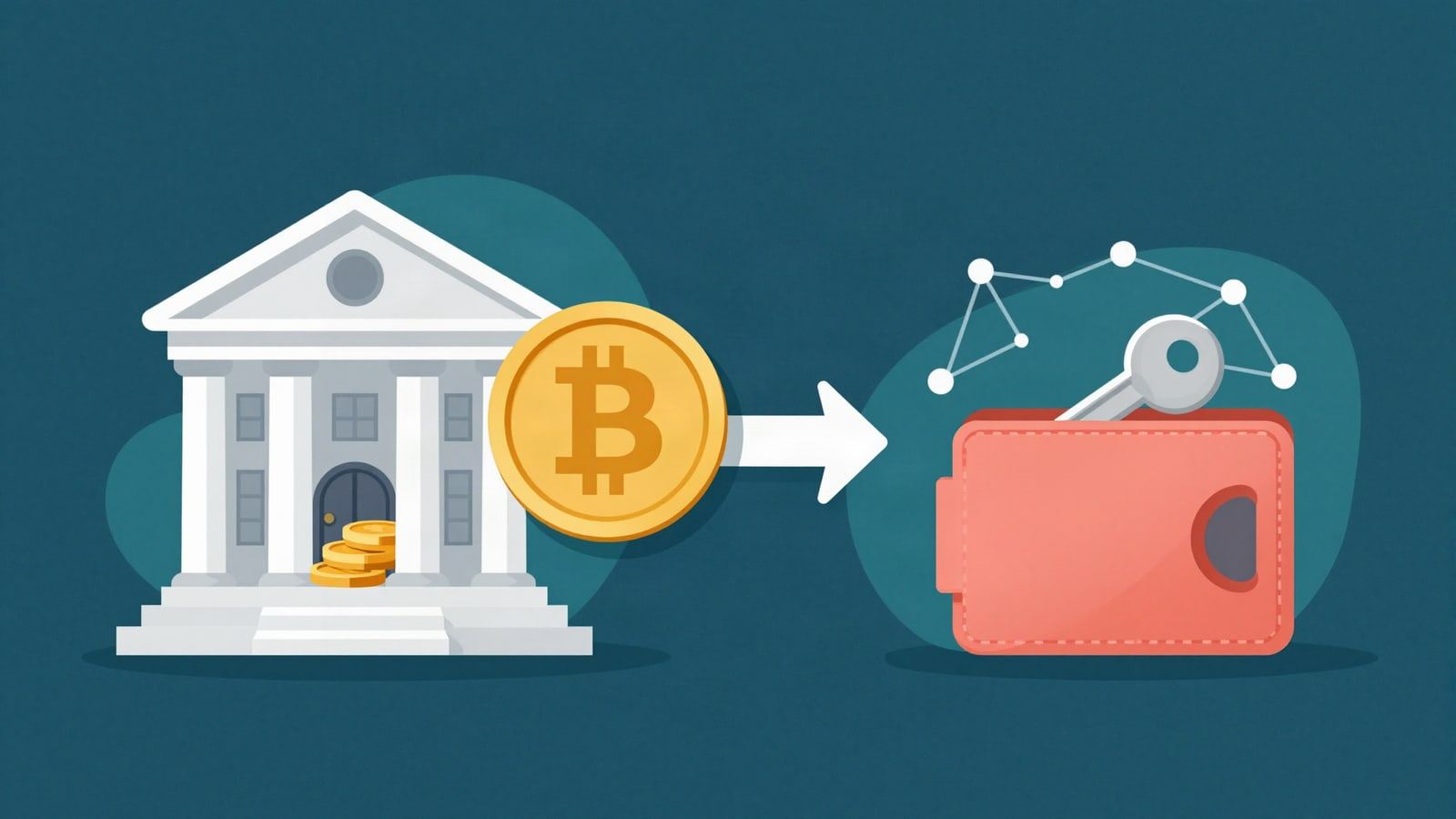
Bitcoin is secured by miners who spend electricity. Most newer blockchains, including Ethereum since 2022, use a different system called proof of stake: instead of burning energy, participants put up their own crypto as a guarantee that they’ll behave honestly. That act of putting crypto at stake is staking, and the network pays rewards for it.
Staking is often marketed as “earning interest on your crypto”. It’s not quite that, and the difference matters for the risks. This guide explains how it works, the main ways to do it, and what can go wrong.
How proof-of-stake staking works
The Ethereum documentation defines staking as depositing ETH to activate a validator: a participant in Ethereum’s consensus protocol. Validators:
- Propose new blocks.
- Check other validators’ work and attest to the correct state of the chain.
In return, the protocol pays them rewards in ETH. The stake works as a security deposit: validators that go offline miss rewards and lose small amounts, and those that provably misbehave are slashed, losing a larger part of their stake.
Other proof-of-stake blockchains work on similar principles, with their own rules on minimums, lock-ups and rewards.
The four ways to stake
The Ethereum documentation describes four main options, each a trade-off between control, effort and trust:
| Option | Minimum | What you do | Main trade-off |
|---|---|---|---|
| Solo (home) staking | 32 ETH per validator | Run your own validator hardware, online 24/7 | Full control and full rewards, but technical and demanding |
| Staking as a service | 32 ETH | Provide the ETH; an operator runs the validator for a fee | Less work, but counterparty risk with the operator |
| Pooled and liquid staking | Small amounts | Deposit into a pool and often receive a token representing your stake | Accessible and flexible, but adds smart contract risk; built by third parties, not native to Ethereum |
| Centralized exchanges | Small amounts | Click “stake” in your exchange account | Easiest, but the highest trust in a single company, which the documentation calls a large centralized point of failure |
According to the Ethereum documentation, a single validator needs at least 32 ETH and can hold up to 2,048 ETH. Pooled options can start from very small amounts.
Where the rewards come from
Staking rewards aren’t interest paid by a borrower. They come from the protocol itself (newly issued tokens) and from transaction fees, and they vary with how many people are staking and how busy the network is. When you stake through a service or an exchange, the provider usually keeps a commission on your rewards.
Advertised reward rates are estimates, not promises. And because rewards are paid in the token you staked, their value in dollars, pounds or Canadian dollars moves with that token’s price.
The risks
- Price risk: the biggest risk is often the simplest. If the token falls 30% in value, a few percent in staking rewards won’t make up for it.
- Penalties and slashing: validators that go offline lose small amounts; validators that break the rules are slashed. If you stake through a provider, check whether it covers slashing losses.
- Lock-ups and withdrawal queues: depending on the network and the method, unstaking can take time. During that time you can’t sell.
- Smart contract risk: liquid staking relies on smart contracts, which can have bugs or be exploited.
- Counterparty risk: with a service or an exchange, you depend on that company. If it fails, your staked crypto may be caught up in its insolvency, and there’s generally no deposit insurance: see is your crypto insured?.
- Liquid staking token risk: a token representing your stake can trade below the value of the staked asset, especially in market stress.
Staking and tax
In all three countries we cover, staking rewards are generally treated as income when you receive them, and selling them later is a separate capital event:
- US: the IRS’s Revenue Ruling 2023-14 says rewards are income at their fair market value when you gain dominion and control over them, whether you stake directly or through an exchange.
- UK: HMRC treats crypto received from staking as income, usually miscellaneous income if you’re not trading.
- Canada: the CRA says rewards from staking on a centralized exchange are generally income when they’re credited to your account.
Our full guide, staking taxes in the US, UK and Canada, has worked examples.
Regulation
Rules on staking services are still developing:
- UK: under the FCA’s new cryptoasset regime, firms arranging staking are among those that will need FCA authorization. Applications opened on 30 September 2026, and the regime comes into force on 25 October 2027.
- Elsewhere: what an exchange can offer you, and on what terms, depends on where you live. Use a platform registered in your country: see how to check.
Before you stake
- Understand the lock-up: how long it takes to get your crypto back, and whether you can sell in the meantime.
- Read the fees: what share of rewards the provider keeps.
- Check what happens with slashing and with the provider’s insolvency.
- Keep records of every reward for tax.
- Only stake what you’d be comfortable holding anyway. Staking adds rewards to an investment; it doesn’t make a risky one safe.
Sources
- Staking — ethereum.org (Ethereum documentation)
- Revenue Ruling 2023-14 (staking rewards) — Internal Revenue Service
- Check if you need to pay tax when you receive cryptoassets — HM Revenue & Customs (GOV.UK)
- Reporting income from crypto-asset mining and staking activities — Canada Revenue Agency
- Cryptoassets: how the gateway will operate — Financial Conduct Authority
First published . Spotted an error or an outdated figure? Tell us and we will check it against the source.